What a restoration buyer will want to see
How revenue splits between water, fire, mold, storm and reconstruction work
Which insurance programs and property managers send you jobs, and on what terms
How long insurance carriers take to pay, and how old your receivables are
Who on staff holds the certifications and runs estimating
Your equipment list, with ages, and your vehicle fleet
Where the Jobs Come From
Buyers want to know how work reaches you. A company fed by a mix of insurance program referrals, property managers, plumbers and repeat commercial clients is worth more than one that lives on a single source.
If one program or one property manager sends a large share of your jobs, expect a buyer to discount for it. Concentration above about 15 to 20 percent in your top accounts is the usual line where concern starts.
Receivables and Insurance Payments
Insurance work pays, but slowly. Supplements, adjuster reviews and mortgage company checks can stretch payment for months. Buyers will look closely at how old your receivables are.
Agree early on how receivables are handled in the sale. Some deals leave them with the seller; others transfer them with an adjustment to the price. Either way, a clean aging report saves a long argument in diligence.
Mitigation Versus Rebuild
Mitigation work, like water extraction and drying, has quick turnaround and good margins. Reconstruction brings bigger tickets but more subcontractors, longer jobs and more risk.
Show the margin on each type separately. A buyer may value a strong mitigation business highly even if the rebuild side is uneven, and you want them to see that clearly.
People and Certifications
Estimators and project managers who know the insurance software and carrier rules are hard to replace. If they plan to stay, the company carries far less risk for a new owner.
Keep a list of certifications by person. If most are in your name, start getting key staff certified now, well before you list.
Equipment and Trucks
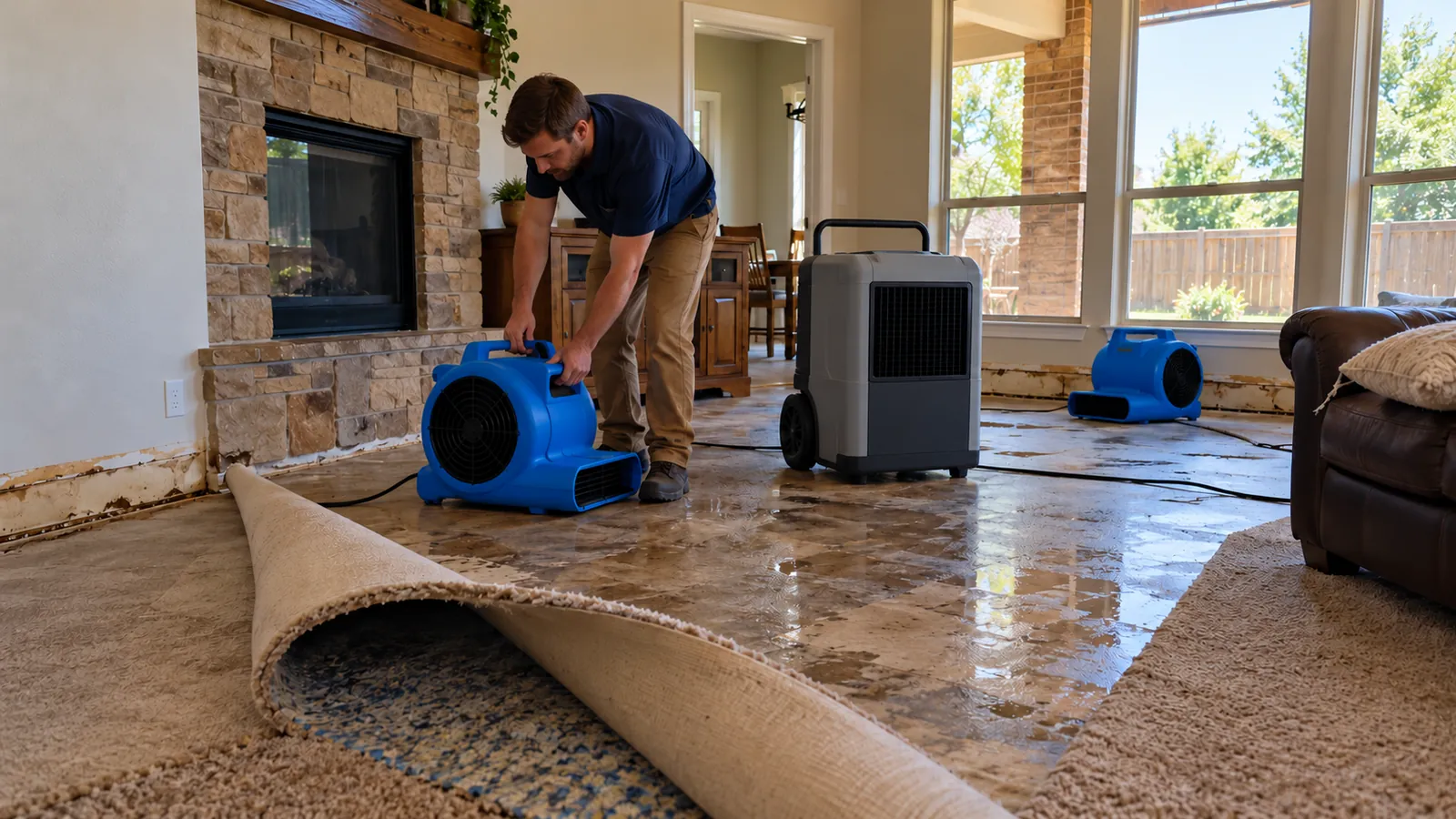
Dehumidifiers, air movers, extractors and moisture meters wear out. Buyers want a list with ages and condition, plus the trucks and trailers that carry it all.
Storm Years and the Base
Like storm shelter companies, restoration firms see big years after major storms. Buyers price on the normal years, so show your monthly history and explain what drove each spike.
The valuation basics are on our business valuation page, and the state filings at closing are under Oklahoma closing steps.
Ready for a number? Send the short valuation form or call (405) 555-0158.